We get asked this question constantly: "Should we go custom or use a website builder?" The honest answer — the one that won't sell you something you don't need — is: it depends. But not on vague factors. It depends on very specific ones.
When Templates Are the Right Call
If you're a new business validating a concept, a service business that needs a clean online presence, or a brand that doesn't need custom functionality — a well-built Webflow or Shopify site is the right move. It's faster, cheaper, and the constraint of a template forces good decisions about content.
We've recommended templates to clients who came to us wanting custom builds. That's the right thing to do.
When Custom Development Pays For Itself
The calculus shifts when your website is the product, or a critical part of the product. Consider custom development when:
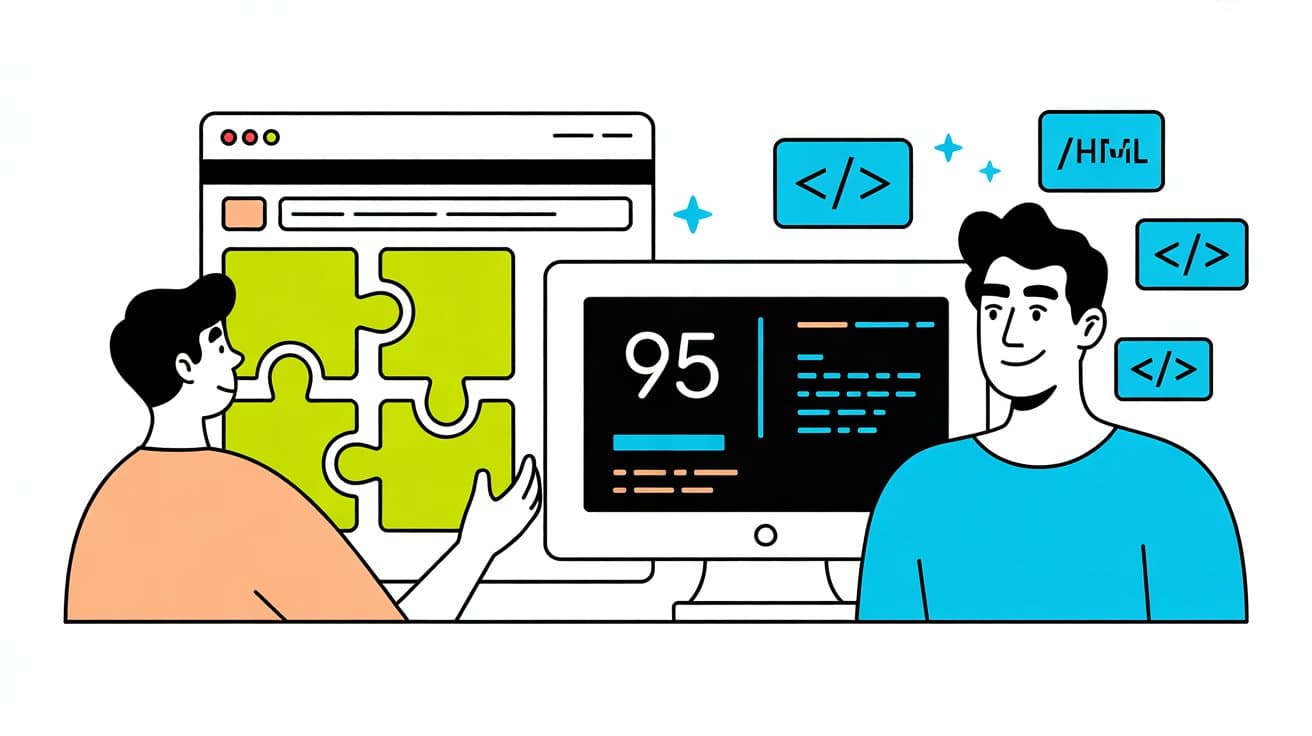
- Performance is a business metric. A 1-second delay in page load can reduce conversions by 7%. Custom-built Next.js sites routinely score 95+ on Core Web Vitals. Most template builders top out around 70–80.
- You need custom functionality. Complex booking systems, dynamic pricing, user dashboards, API integrations, multi-tenancy — these either can't be done in a template or require so many plugins that you end up with a slow, fragile mess.
- SEO is your primary growth channel. Custom technical SEO — schema markup, dynamic sitemaps, structured data, edge-rendered pages — gives you capabilities that template platforms simply can't match.
- You're building a SaaS or marketplace. There's no debate here. This is always a custom build.
The Numbers
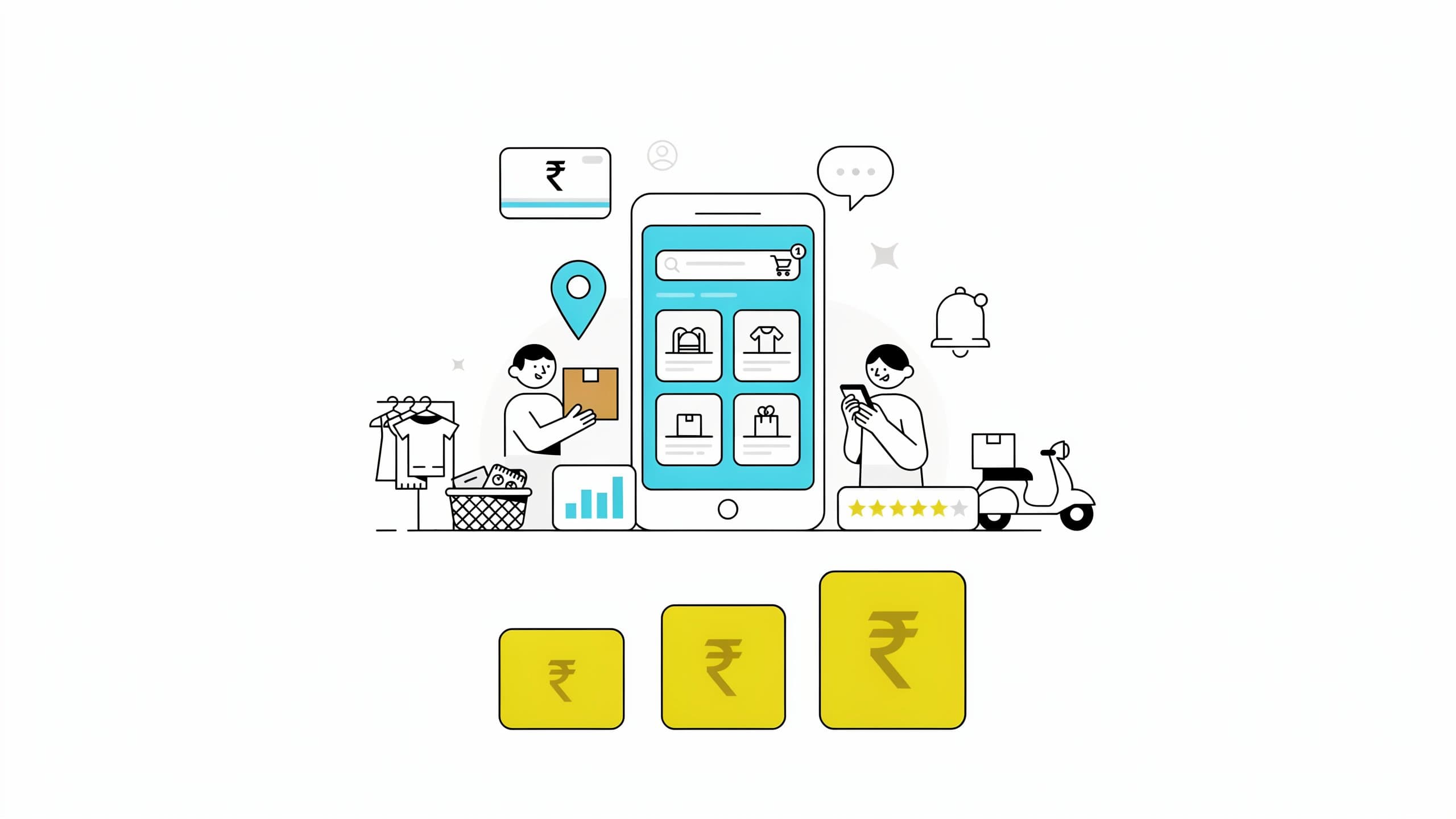
A custom web application has a higher upfront cost (typically ₹5–40 lakhs depending on scope) but lower total cost of ownership over 3 years compared to a template site with extensive plugin costs, platform fees, and developer workarounds. More importantly, it scales with your business rather than constraining it.
What We Actually Recommend
Start with what you need today, not what you might need in 3 years. If a template gets you to market faster and you can validate your model, do it. When you hit the ceiling of what a template can do, that's the right time to invest in custom development — and by then you'll have real revenue to fund it.
If you're unsure which side of that line you're on, let's talk it through. We'll give you a straight answer.